Invest in Prefab Homes — A Practical Guide for Canada
Investment
Admin
10/25/20258 min read
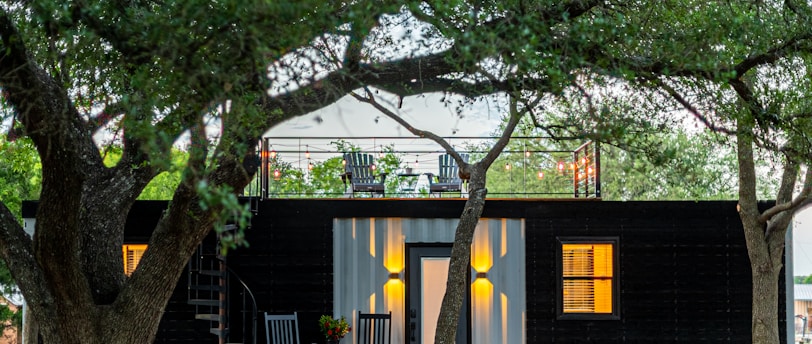
Prefabricated (prefab) and modular homes are moving from niche to mainstream in Canada. Faster construction, controlled factory quality, and increasingly attractive pricing make them a compelling option for investors and owner-occupiers alike. This guide walks you through financing, buying land, permits, delivery logistics, costs, risks, and rental strategies — with clear checklists and realistic numbers.
Quick Overview: Why Prefab in Canada Now?
Faster, factory-controlled construction reduces on-site delays and weather risk.
Competitive pricing: typical base modular prices in some provinces commonly range from roughly CAD $150–$250/sq ft, with turnkey projects often landing in the $200–$450/sq ft range depending on finishes and site costs. This wide band reflects variation by region and finish level. Green Building Canada
Government and market interest in modular solutions is growing as part of housing supply responses in many provinces; banks and lenders increasingly recognize factory-built homes as mortgageable when permanently installed. CREA+1
Financing Prefab Homes in Canada — What Works (and What to Ask)
Main options
Traditional mortgage: Many modular homes can qualify for standard mortgages if the modules are permanently affixed to a foundation and legally classified as real property. Lenders will look at the same items they do for site-built homes: appraisal, income, down payment, and quality/standards compliance (CSA A277, etc.). mhabc.com+1
Construction / builder financing: Useful when the project is spread between factory build and site work. Often converted to a mortgage once the home is fixed to the foundation.
Personal loans / chattel financing: For tiny homes, mobile or non-permanently sited units — interest is higher and terms are shorter. mhabc.com
Institutional / government programs: Keep an eye on provincial incentives and federal measures. For example, multi-year policy moves (like extended amortization windows for some buyers) can change affordability dynamics — always check current federal/provincial details before you lock financing. Reuters
Key lender questions
Will the lender accept a modular home appraisal? (Ask which appraisers they accept.)
Does the lender require the home be classed as real property? (Some require permanent foundation.)
Can the loan convert from construction to mortgage without refinancing?
Are there special conditions for non-standard foundations, off-grid systems, or remote deliveries?
Practical tip: Have a fully itemized builder quote that separates factory cost, delivery, assembly, and site prep. Lenders want clarity on what they’re financing.
Buying Land for a Prefab Project in Canada
Checklist before you buy
Zoning & municipal bylaws — Confirm residential use, allowable building types, setbacks, maximum height, and coverage. Many municipalities explicitly require building permits even for modular installs (e.g., provincial pages explain building permit requirements for modular construction). Always check local planning departments. Ontario+1
Access & road width: Will large transport vehicles and cranes be able to access the site? Narrow or low-clearance access can block deliveries or add massive routing/rent costs.
Services & utilities: Is power, water, sewer, or septic available? Off-grid customers need to estimate solar, batteries, or septic system costs.
Slope & foundation needs: Steep lots often increase foundation complexity and costs. Ask builders for foundation options (crawlspace, slab, pier).
Environmental and native land constraints: Protected zones, floodplains, and First Nations land require specific approvals or may be restricted.
HOA or community covenants: If buying in a managed community, confirm prefab and rental rules.
Practical tip: Get a pre-purchase site assessment with photos, rough grading plan, and an estimate of site prep. This prevents surprise add-ons later.
Permits & Approvals (Municipal Realities)
Building permits are mandatory in almost every Canadian municipality for modular homes — you’ll typically file plans and engineering, pay fees, and receive inspection signoffs. The modular supply chain does not remove permit obligations. Ontario+1
Factory inspections and code compliance: Reputable manufacturers build to CSA A277 (modular construction standard) and local building codes; check certificates and factory inspection documents. CREA
Permit timeline: Municipal reviews can take weeks to months depending on complexity and locality. Start permits early — permit timing often becomes the critical path, not factory build time.
Pro checklist for permitting
Obtain full plans and manufacturer specs.
Submit building permit application early; book municipal pre-application meetings where offered.
Confirm inspection schedule: foundation, mechanical, final occupancy.
Keep digital copies of warranties and factory QA documents for inspector review.
Delivery, Heavy Hauling, and On-Site Assembly (Logistics)
What to expect
Oversize/overweight permits: Modules are often over provincial dimension limits (width > 8.5 ft, height > 13–14 ft, or heavy/long). You’ll need provincial/territorial permits, route approvals, and sometimes pilot/escort vehicles. Rules vary by province; a specialist hauler or permit service usually manages this. WCS Permits and Pilot Cars+1
Crane placement & staging: A crane is frequently required to lift modules onto foundations. The staging area should be level and large enough for the crane and truck. Rental and crane rates vary by size, access difficulty, and region.
Scheduling coordination: Delivery, crane, installation crew, and utility hookups must be tightly coordinated to avoid demurrage and re-scheduling fees. Delays are expensive.
Weather & seasonal considerations: In Canada, winter deliveries to some regions can be very challenging (frozen ground, snow), increasing both cost and risk. Plan seasonally where possible.
Practical workflow
Confirm route and permits with hauler.
Pre-book crane operator and crew, ideally as part of your delivery coordination package.
Prepare staging and foundation in advance.
Have contingency funds for re-scheduling or unexpected road restrictions.
Costs and Example Budget (Real, Conservative Sample)
Prices vary widely by province, finishes, and site conditions. Below is a simplified, conservative example for illustration.
Sample project (single family modular home — mid-level finishes)
Factory base cost (1,200 sq ft @ CAD $200/sq ft): 1,200 × 200 = $240,000.
Land purchase (rural/near city): $100,000 (varies massively by location).
Site preparation & foundation: $25,000–$60,000 (grading, septic/connection, foundation).
Delivery & assembly (hauling, permits, crane, crew): $8,000–$25,000.
Permits, legal, and contingency: $8,000–$20,000.
Estimated total turnkey cost (conservative midpoint): ≈ $400,000–$450,000.
(Your local quotes will refine these numbers; see manufacturer and local contractor quotes for precise budgeting.) Green Building Canada+1
Rental Income Strategies (Long-Term and Short-Term)
Long-term rental (12+ months)
Pros: Stable income, lower management intensity, easier mortgage treatment.
Cons: Lower peak cashflow than STR in many markets.
Feasibility: Calculate gross rental yield = annual rent / total project cost. Example: rent $2,500/mo → 30,000/yr. If total cost is 400,000 → gross yield 7.5%; after expenses (est. 25–35% for taxes, management, maintenance) net yield might be ~5%. Compare with local rental market rates before committing.
Short-term rental (STR) / vacation rental
Pros: Potentially higher nightly rates and seasonal spikes.
Cons & risks: Complex rules — many municipalities limit STRs, and tax/tax deduction changes can affect profitability. The CRA and municipal rules have tightened; deductions for non-compliant STRs may be denied, and specific provincial/local registration and remittance rules apply. Always check municipal bylaws and CRA guidance. Government of Canada+1
Hybrid approach: In markets with strong tourism and stable summer peaks, a hybrid model (long-term in off-season, STR in peak season) can smooth income while maximizing returns — but operational complexity increases.
Operational considerations
Furnishing & décor (for STRs): initial capex but can command higher rent.
Insurance: STR often requires special insurance. Check policy for modular/temporary structures.
Utilities and metering: Decide on inclusive utilities or separate billing.
Regulatory, Tax and Insurance Notes (Must-Knows)
Tax considerations: Rental income is taxable; allowable expenses reduce taxable income. However, tax rules for STRs and HST/GST treatment differ by province and frequency — and audits can be stricter for short-term operators. Recent CRA guidance tightened allowable deductions for non-compliant STRs, so ensure compliance and record-keeping. Government of Canada+1
HST/GST & property sales: In some cases (frequent short-term operations or commercial use), HST registration or different tax treatment may apply — get a tax advisor.
Insurance: Confirm that both construction-phase and landlord dwelling coverage are available for your modular model; insurers will want manufacturer and installation details.
Resale & depreciation: Modern modular units resell, but resale value depends heavily on installation quality, location, and market perception. Keep all documentation for warranties, serial numbers, and factory QA.
Risk Management — How to Protect Your Investment
Vet manufacturers: Ask for factory certifications (CSA A277 if applicable), warranties, and references of past installations in similar climates. CREA
Detailed Contracts: Ensure the contract specifies delivery windows, inspection remedies, defects remediation, and change orders.
Insurance & bonding: Require performance bonds where available for larger developments and ensure builder carries adequate liability and wrap-up coverage.
Budget contingency: Plan 10–20% contingency for site issues, permit delays, and logistics hiccups.
Permits and approvals: Don’t assume “factory-built” removes permit requirements — municipal approvals remain critical and are often the biggest cause of delay. Ontario
Example Investment Math (simple cap-rate example — carefully calculated)
Scenario:
Total all-in cost = $390,000 (land + prefab turnkey).
Monthly long-term rent = $2,500 → Annual gross rent = 2,500 × 12 = $30,000.
Operating expenses (taxes, insurance, management, maintenance) estimate = 30% of gross rent → 30,000 × 0.30 = $9,000.
Net operating income (NOI) = 30,000 − 9,000 = $21,000.
Cap rate = NOI / Total cost = 21,000 ÷ 390,000 = 0.053846... → 5.38% (rounded).
Interpretation: A cap rate of ~5.4% is reasonable depending on location and financing; higher cap rates (7–8%+) are more attractive but may require lower purchase costs, higher rents, or reduced expenses. Always compare to local market cap rates for similar property classes.
How to Find Good Manufacturers, Haulers, and Partners
Referrals & local case studies: Visit local modular installs and talk to owners. Sites where manufacturers have installed in similar climates are the best references. Green Building Canada
Haulers & crane companies: Work with firms experienced in over-dimensional transport and modular placement; they will handle permits and route planning. WCS Permits and Pilot Cars+1
Broker/consultant help: A modular broker reduces risk by bundling manufacturer vetting, permitting guidance, and delivery coordination — useful if you’re new to prefab projects.
Practical Project Timeline (typical)
Weeks 0–8: Site selection, permits pre-application, financing pre-approval.
Weeks 6–12: Finalize design and factory order. (Factory schedules vary; some offer 6–12 week production windows.)
Weeks 12–20: Site prep, foundation, and utility rough-ins.
Delivery window: Once modules complete — transport, crane, and assembly (1–7 days on site typically for a single unit but longer for multi-module homes).
Final inspections & occupancy: 1–6 weeks depending on municipal process.
Total typical timeline (from design order to move-in): 4–9 months (varies widely).
Opportunities and niches to consider in Canada
Accessory Dwelling Units (ADUs): High demand in urban areas for rental income or family housing. Lower footprint, quicker permitting in many municipalities.
Tiny home / glamping rentals: In tourism regions, turnkey tiny units as short-term rentals can command premium nightly rates — but check local STR rules and tax implications. Government of Canada+1
Multi-unit modular for infill or seniors housing: Developers and municipalities are piloting modular mid-rise and multi-unit solutions to meet supply deficits.
Remote/rural build solutions: Off-grid prefab models for recreation or remote workforce housing — higher margins but require specialized systems.
Checklist: Next steps for an investor
☐ Gather three manufacturer quotes (factory cost, delivery, assembly separated).
☐ Get a pre-purchase site assessment (zoning, access, utilities).
☐ Obtain lender pre-approval and ask about modular requirements.
☐ Book a haul/permit consultation with an oversize transport specialist.
☐ Model cashflow scenarios (long-term rent vs STR) and run sensitivity to vacancy, repairs, and financing rates.
☐ Prepare a 10–20% contingency budget for site surprises or permit delays.
Further reading & trusted starting points
Provincial building/municipal pages for modular house permitting (example: Ontario’s modular guidance). Ontario
Manufacturer pricing guides and regional cost surveys for a ballpark cost per sq ft. Green Building Canada+1
Oversize & overweight permit specialists and haulers for transport rules and route planning. WCS Permits and Pilot Cars+1
CRA and Canada Revenue Agency guidance on rentals and recent changes to short-term rental deductions. Government of Canada+1
Final thoughts — is prefab right for your portfolio?
Prefab can accelerate time-to-market, offer competitive per-square-foot pricing, and unlock niche rental and development plays — but success hinges on good land selection, rigorous due diligence, and tight logistics management. If you love checklist-driven projects and want to avoid the unpredictability of long on-site builds, prefab offers a compelling model — especially in regions where land prices and rental demand support your math.
If you want, Modular Living Solutions can:
Review your project quote and site package.
Provide a tailored financing checklist to present to lenders.
Help coordinate delivery permits and crane scheduling.
Want us to turn your numbers into a project-ready cashflow model? Tell me the province, an approximate lot price, and the modular home size/finish level you’re considering — I’ll build a simple pro-forma you can use when talking to lenders or partners.
Sources cited for critical claims (select examples):
Regional modular cost and pricing estimates. Green Building Canada+1
Mortgages, financing and classification of modular homes as real property when on permanent foundations. mhabc.com+1
Municipal permitting guidance for modular homes (example: Ontario). Ontario+1
Oversize/overweight load permit and transport considerations across Canada. WCS Permits and Pilot Cars+1
CRA guidance and tax rule changes affecting short-term rental deductions. Government of Canada+1
Your End-to-End Guide For Modern Prefab Living
LOCATION
Get our Newsletter
info@prefabsolutions.ca
© 2025. ALL RIGHTS RESERVED
1000784075 ONTARIO CORPORATION OCN/BIN Numéro de société de l’Ontario/NIE: 1000784075
CONTACT
We are a digital first company based in Toronto, Ontario, Canada
SOCIAL
OUR BRANDS
Prefab Essentials
Prefab Match
Prefab Collective
The Modularity Group Inc. is a company with multiple business holdings. Prefab Solutions serves consumers with prefab construction advocacy. PrefabIQ serves consumers with housing construction and management software. Prefab Match is in the housing listing industry. Prefab Essentials retails premium décor and furnishings. , while Prefab Collection offers a membership-based community for enthusiasts to share and learn. While each company operates as a separate entity, we all function on the foundational principle: the future of living is also modular, it is smarter, it is more flexible, it is about precision over excess, and community over going it alone. We believe a well-designed home is a symphony of integrated parts—a harmonious blend of space, light, and function.